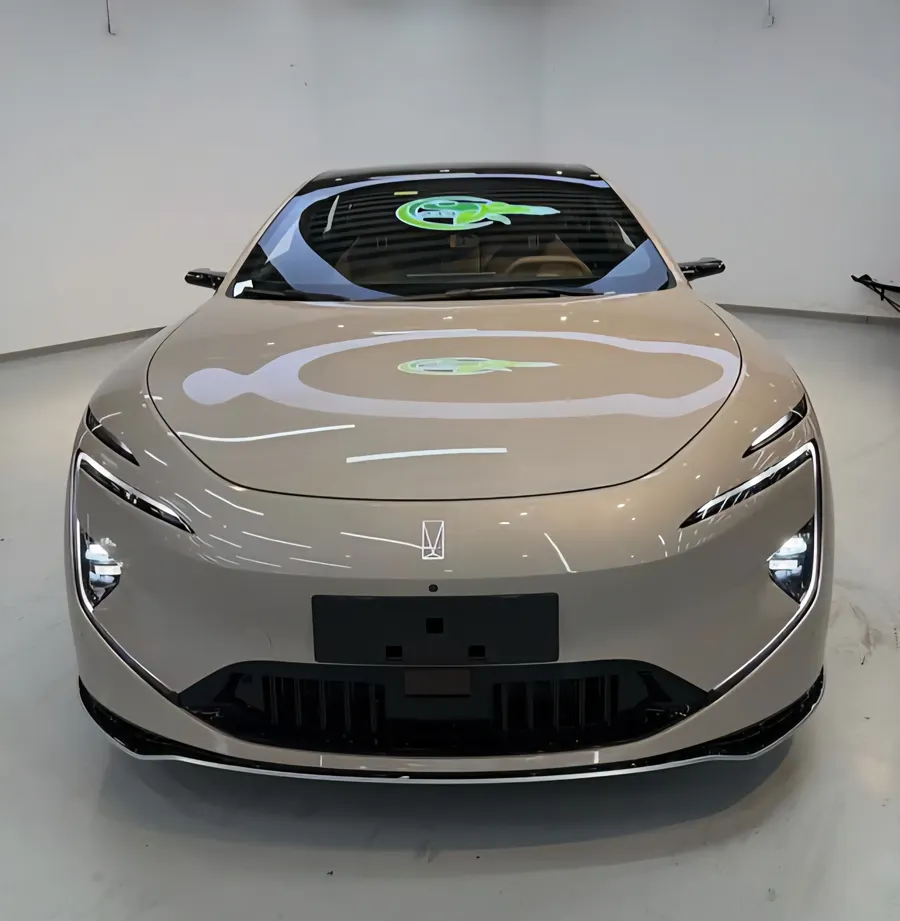
In the dynamic realm of automotive innovation, the juxtaposition between electric vehicles (EVs) and gasoline cars illuminates not only present disparities but also heralds a future of transformative change. As society increasingly pivots towards sustainability and technological advancement, understanding the differences between these two modes of transportation becomes paramount. In this blog, we’ll delve into the distinctions Electric Vehicles vs. Gasoline Cars. While also exploring the future trends that will shape the landscape of transportation.
Environmental Impact:
The most glaring disparity between EVs and gasoline cars lies in their environmental footprint. Electric vehicles, powered by electricity from renewable sources, produce zero tailpipe emissions. Thus significantly reducing air pollution and mitigating climate change. Conversely, gasoline cars emit harmful pollutants such as carbon dioxide and nitrogen oxides, contributing to smog, respiratory issues, and global warming. With mounting concerns over environmental degradation. The shift towards electric mobility emerges as a pivotal solution in fostering a cleaner, greener future.
Technological Advancements:
The rapid evolution of technology serves as a catalyst for innovation in both Electric Vehicles vs. Gasoline Cars. Electric vehicles boast cutting-edge features such as regenerative braking, autonomous driving capabilities, and advanced battery technology. Enhancing efficiency, safety, and user experience. Conversely, gasoline cars continue to incorporate advancements in engine efficiency, hybrid technology, and connectivity features to improve performance and reduce emissions. However, the pace of innovation in electric vehicles far outpaces that of gasoline cars. Foreshadowing a future where EVs dominate the market with unparalleled sophistication and functionality.
Infrastructure and Charging Network:
Another pivotal factor distinguishing EVs from gasoline cars is the infrastructure required to support their operation. While gasoline cars rely on a well-established network of gas stations for refueling. Electric vehicles necessitate an extensive charging infrastructure to accommodate their energy needs. Although the charging network for EVs is rapidly expanding, with governments and private companies investing in public charging stations. Concerns regarding charging accessibility and range anxiety persist. However, advancements in fast-charging technology and the proliferation of home charging solutions are poised to alleviate these concerns, paving the way for the widespread adoption of electric vehicles.
Economic Considerations:
The economic landscape surrounding Electric Vehicles vs. Gasoline Cars also diverges significantly. Electric vehicles offer lower operating costs, owing to the lower price of electricity compared to gasoline and the reduced maintenance requirements of EVs. Additionally, government incentives, tax rebates, and subsidies for EV purchases further incentivize consumers to make the switch to electric. Conversely, while gasoline cars may have a lower upfront cost compared to EVs. The long-term savings potential of electric vehicles is increasingly compelling. Especially as battery prices continue to decline and economies of scale are realized.
The Future of Transportation:
With advancements in battery technology, charging infrastructure, and government support for renewable energy. Electric vehicles will increasingly become the vehicle of choice for environmentally conscious consumers and forward-thinking governments alike. While gasoline cars may still maintain a presence in niche markets and certain regions. Their prominence will inevitably wane as the global transition towards electric mobility accelerates